

WDI Inspection in Arkansas
Comprehensive Screening for Wood-Destroying Organisms
In the humid climate of Arkansas, wood-destroying insects are a constant threat to the structural integrity of buildings. For prospective homebuyers and sellers, this reality makes the Wood-Destroying Insect (WDI) inspection one of the most critical steps in the real estate transaction process. Whether you are applying for a VA, FHA, or conventional loan, lenders often mandate this specific inspection to ensure the property is free from active infestations and visible damage. A clear report not only satisfies mortgage requirements but also provides the buyer with the confidence that their new investment is sound.
At McCauley Services, we understand the urgency and precision required during the closing process. With nearly 40 years of experience in the local industry, our team provides the reliable, high-quality documentation you need to move forward with your purchase or sale. We treat every inspection with the utmost seriousness, leveraging our extensive training to uncover potential issues that untrained eyes might miss. We are here to facilitate a smooth transaction while ensuring your future home is safe and secure.
Dial (888) 733-9229 for immediate assistance, or contact us online to start your professional WDI inspection plan.
What is a WDI Inspection?
A Wood-Destroying Insect (WDI) inspection, often referred to as a "termite inspection" or "termite letter," is a rigorous examination of a property to detect the presence of insects that damage wood. While termites are the most notorious culprits in our region, a proper WDI report covers a broader spectrum of threats that can compromise a building's structure. This report is a snapshot of the home's current condition and is distinct from a standard home inspection, which looks at plumbing, electrical, and general construction but may not have the specialized focus required to identify subtle signs of pest activity.
Key Pests Identified in a WDI Report:
- Subterranean Termites: The most common and destructive threat in the area, known for building mud tubes to access wooden structures.
- Powder Post Beetles: These insects bore into wood to lay eggs, leaving behind tiny exit holes and a flour-like powder.
- Carpenter Ants: Unlike termites, they don't eat wood but excavate it to build nests, causing significant structural weakening.
- Carpenter Bees: These pests drill perfectly round holes into eaves and unpainted wood surfaces to create galleries for their young.
- Old House Borers: A type of beetle that prefers seasoned softwoods, often found in older homes and structural timbers.
Our Inspection Process
At McCauley Services, we take a systematic approach to WDI inspections to ensure no stone—or floorboard—is left unturned. We know that these insects are masters of concealment, often hiding deep within walls, crawlspaces, or attics where they can go unnoticed for years. Our process is designed to meet the strict standards of real estate lenders and provide you with a detailed, easy-to-understand report on the day of the service whenever possible.
What to Expect During the Inspection:
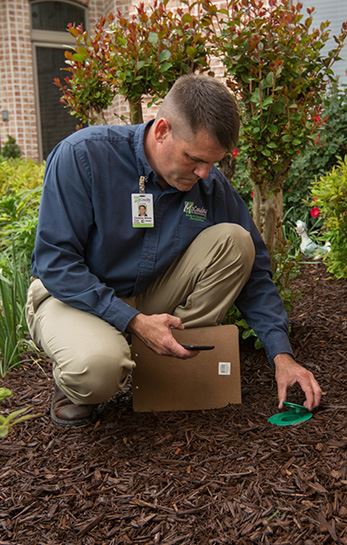
- Exterior Analysis: We examine the foundation, siding, and soil grading for mud tubes, rotting wood, and moisture conditions that attract pests.
- Interior Examination: Our technicians check baseboards, door frames, and windows for exit holes, frass (insect droppings), and hollow-sounding wood.
- Crawlspace and Attic Checks: These are high-risk areas; we physically enter accessible spaces to look for evidence of past or present activity.
- Detailed Reporting: We document all findings, including evidence of previous treatments, active infestations, and conducive conditions.
- Clear Recommendations: If issues are found, we provide a clear path forward with treatment options to resolve the problem and clear the property for sale.
The Importance of Professional Service
Skipping a professional WDI inspection or relying on a general home inspector for specialized pest detection can be a costly mistake. Wood-destroying insects cause billions of dollars in damage annually, much of which is not covered by standard homeowners' insurance. A superficial look at a property may miss the subtle, early warning signs of an infestation, leading to the purchase of a home that requires expensive structural repairs shortly after moving in.
Professional pest inspectors possess the specific training and tools necessary to identify these threats accurately. They understand the biology and behavior of wood-destroying organisms, allowing them to spot evidence that looks insignificant to the untrained eye. Furthermore, for legal and financial purposes, banks and lending institutions strictly require that these inspections be performed by a licensed and certified pest control professional. Ensuring you have an official, accurate report protects your financial interests and provides leverage in real estate negotiations.
Why Choose Us for WDI Inspections in Arkansas
When closing on a home, you need a partner who combines speed with unwavering accuracy. McCauley Services has been a trusted name in Arkansas since 1983, and our deep roots in the community mean we understand the local real estate market and the specific pest pressures that affect it. We are a family-owned business that values integrity; we provide honest assessments without exaggerating issues, ensuring you get the clearance you need without unnecessary hurdles.
Reasons We Are the Best Choice:
- Highly Certified: Our inspectors are QualityPro Certified and undergo training that exceeds state requirements by nearly four times.
- Lender Compliance: We are experts in the specific forms and requirements for VA, FHA, and HUD loans, preventing paperwork delays.
- Same-Day Service: We know closings are time-sensitive. We strive to provide inspections and reports as quickly as possible, often on the same day.
- Comprehensive Solutions: If we find an issue, we can treat it immediately, acting as a one-stop shop to get your transaction back on track.
- Trusted Reputation: With decades of relationships and participation in the National Pest Management Association, we are a recognized leader in the industry.
Dial (888) 733-9229 for immediate assistance, or contact us online to start your professional WDI inspection plan.
Understanding Conducive Conditions
A valuable part of a WDI report involves identifying "conducive conditions." These are environmental factors that do not necessarily indicate an active infestation but significantly increase the risk of one developing in the future. Addressing these issues is a proactive way to protect the property long-term.
Common conducive conditions in our area include wood-to-ground contact, such as siding touching the soil or wooden deck posts buried in the earth. Excessive moisture in a crawlspace, often caused by poor drainage or plumbing leaks, acts as a magnet for termites and beetles. Additionally, heavy vegetation or firewood stacked against the home's foundation provides a direct bridge for insects to enter. By correcting these issues—installing vapor barriers, fixing grades, or trimming vegetation—homeowners can drastically reduce the likelihood of future pest problems.
FAQs About WDI Inspections
Do I Really Need a WDI Inspection to Buy a Home?
In many real estate transactions, especially those involving financing, a WDI inspection is requested by the lender or written into the purchase agreement. The goal is to document whether there is evidence of termites or other wood-destroying insects that could affect the structure or future repair costs. Even when it is not strictly required, many buyers choose to have this inspection for their own peace of mind.
A WDI report gives you a clearer picture of conditions that might not be obvious during a standard home showing. It can help you decide whether to move forward as planned, request repairs or treatments, or ask additional questions. Our team regularly provides inspections and reports for transactions like this, and we can explain how our findings fit into the bigger picture of your purchase.
How Fast Can Your Team Complete the Inspection & Report?
We work to schedule inspections and deliver reports in a time frame that supports typical real estate timelines. The exact timing can depend on factors such as property location, size, and current demand for inspections. When you call, we review your closing or loan dates so we can suggest appointment options that usually allow time for review and any follow-up decisions.
After the inspection, we focus on preparing the written report promptly, since we know underwriters and agents may be waiting on that document. If you have a very short deadline, let us know at the time of scheduling. Our staff can then discuss what is realistic and help you plan accordingly, instead of leaving timing to chance.
What Exactly Do You Look For During a WDI Inspection?
During a wood-destroying insect inspection, our focus is on the visible and accessible areas of the structure where termites and similar insects are most likely to be present. We look at foundation walls, framing that can be seen in basements or crawlspaces, accessible attic areas, garages, and other spaces where wood components are exposed. The goal is to find evidence of activity or damage, not to evaluate every aspect of the home.
Our inspectors look for specific signs such as shelter tubes, damaged or hollow-sounding wood, small openings, and material that may resemble sawdust or pellets. We also note conditions that could increase risk, such as wood in contact with soil or moisture problems around the foundation. If portions of the building cannot be reached or seen safely, we clearly describe those limitations in the report, so that there is no confusion about what has and has not been checked.
Can You Also Treat Termites If the Inspection Finds Them?
Yes, in addition to inspections, we provide pest control services that include treatment options for termites and other wood-destroying insects. If the inspection shows evidence of activity or conditions that raise concern, we can discuss possible approaches to address the problem. This might include targeted treatments, broader protection for the structure, or ongoing monitoring through one of our service plans.
We explain what each option involves and how it may help reduce the risk of future damage. Our protection plans at different levels can be tailored to your priorities, whether you want a comprehensive package or a more focused approach. The choice is yours, and we aim to support you with clear explanations rather than pressure.
How Much Does a WDI Inspection Cost, & What Affects the Price?
The cost of a WDI inspection typically depends on factors such as the size of the property, the type of structure, and the location. Properties with multiple buildings or more complex layouts may require additional time and documentation, which can influence pricing. When you call our office, we gather information about your property and provide a price based on those details.
We strive to keep our pricing straightforward and to explain what is included in the inspection fee, such as the on-site inspection and the written report. If any factors could change the cost, we discuss them before you schedule, so you are not surprised later. This approach helps you plan your transaction budget with better clarity.
Our Customers Say It Better
Read Their Stories-
“Our service tech made sure to ask if we were having any evidence of bugs, insects, etc.”
Nina O. -
“I have been under contract for a number of years. I call and they come!”
Trish J. -
“They are always so professional and courteous.”
Brent S. -
“Every employee from entry-level positions to management put forth huge efforts to be professional, and they go above and beyond to make sure they give the highest quality of service.”
Blake D. -
“Technicians are thorough and listen to your concerns and address them while explaining what they're doing.”
Jeff L.
Less than 3% of pest control companies in the U.S. have been awarded the prestigious QualityPro Certification. This certification is given to those who go above and beyond to adhere to the highest standards in professionalism and results in the pest control industry. These companies do whatever it takes to exceed the expectations of their customers and deliver the best possible service.