


WDI Inspections In Hot Springs
Comprehensive Detection of Wood-Destroying Organisms
Hot Springs is known for its stunning historic architecture and beautiful lakefront properties, making it a prime location for homebuyers and investors. However, the same humidity and proximity to water that give our area its charm also create an ideal environment for wood-destroying insects. For anyone buying or selling a home here, a Wood-Destroying Insect (WDI) inspection is a critical step. These pests often work silently within the walls of older homes or vacation rentals, causing significant damage long before it becomes visible to the casual observer.
At McCauley Services, we specialize in providing the rigorous, detailed inspections required to navigate the Hot Springs real estate market with confidence. With nearly 40 years of experience, we understand the specific risks associated with local properties, from moisture-prone lake houses to vintage downtown homes. Our highly trained team provides accurate, lender-compliant reports that help you make informed decisions, ensuring that your new property is a sound investment rather than a financial burden.
Dial (501) 417-2233 for immediate assistance, or contact us online to start your professional WDI inspection plan.
Why WDI Inspections Matter in Hot Springs
A WDI inspection, often called a "termite report," is essential because standard home inspections usually do not cover wood-destroying organisms in detail. In Hot Springs, where many homes have wood siding, crawlspaces, or proximity to water, the risk is elevated. These inspections look for more than just active termites; they assess the property for a range of insects and conditions that threaten the structural integrity of the wood.
Key Threats Identified:
- Subterranean Termites: These are the primary threat in our region, building mud tubes from the soil to eat the wood structure of the home.
- Powder Post Beetles: Common in older homes with untreated hardwoods, these beetles turn wood into a flour-like powder.
- Carpenter Ants: They excavate wood to build nests, often targeting moist or water-damaged areas common in lakefront properties.
- Carpenter Bees: Large bees that drill holes into eaves and decks, which can lead to structural weakness and water intrusion.
- Old House Borers: A beetle species specifically attracted to the seasoned softwoods often found in the framing of historic structures.
Our Detailed Inspection Process
At McCauley Services, our inspection process is thorough and designed to uncover even the most subtle signs of activity. We know that in a transaction involving a vacation home or a historic residence, accuracy is paramount. Our technicians physically access and visually examine all reachable areas, looking for evidence of past infestation, active insects, and damage. We provide a clear, concise report that satisfies the requirements of VA, FHA, and conventional lenders.
What We Look For:
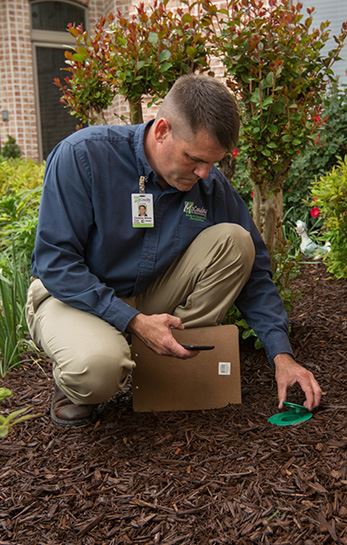
- Visual Evidence: We scan for mud tubes, exit holes, insect wings, and frass (droppings) along baseboards, windows, and foundations.
- Structural Soundness: We probe susceptible wood members to check for hollowness or damage that isn't visible on the surface.
- Moisture Issues: We identify areas of high moisture in crawlspaces or around the foundation that attract these pests.
- Past Treatment Signs: We look for drill marks or other indicators that the home has been treated previously, which helps assess current risk.
- Conducive Conditions: We report factors like earth-to-wood contact or dense vegetation that could invite future infestations.
The Importance of Professional Service
Attempting to buy or sell a home without a professional WDI inspection is a gamble that can result in thousands of dollars in unforeseen repairs. Termite damage is rarely covered by homeowners' insurance, meaning the cost of structural remediation falls entirely on the owner. A professional inspection shifts the power back to the buyer, allowing for negotiation or repairs before the deal is closed.
Professional inspectors have the training to distinguish between old, inactive damage and a current, thriving infestation. This distinction is crucial for closing deals; a home with old scars but no active bugs may still be purchasable, while active termites require immediate intervention. Furthermore, lenders often mandate that these inspections be performed by a licensed third party to ensure impartiality and expertise. Relying on a certified professional ensures that the report is legally valid and technically accurate.
Why Choose Us for WDI Inspections in Hot Springs
When you are navigating a real estate transaction, you need a partner who is fast, reliable, and trusted by the community. McCauley Services has been serving Arkansas families since 1983. We are deeply familiar with the unique challenges of Hot Springs properties, from the humid lake environment to the specific construction styles of historic neighborhoods. Our "family first" values mean we provide honest, straightforward reports without alarmism, helping you get to closing day smoothly.
Reasons We Are the Best Choice:
- QualityPro Certified: We hold the industry's highest certification, ensuring our inspectors meet rigorous standards for professionalism and ethics.
- Extensive Training: Our team undergoes nearly four times the state-required training, making them experts in identifying local pests.
- Lender Compliance: We are well-versed in the specific paperwork needed for VA, FHA, and HUD loans to prevent closing delays.
- Same-Day Service: We understand the time crunch of real estate; we do our best to inspect and report on the same day.
- Trusted Reputation: As members of the National Pest Management Association and active community participants, we are a name you can trust.
Call us today at (501) 417-2233, or contact us online for professional WDI inspection service.
Caring for Lakefront and Historic Homes
Owning a home in Hot Springs often requires extra vigilance regarding moisture, which is the number one attractant for wood-destroying insects. For lakefront properties, ensure that docks, decks, and wooden walkways are treated and regularly inspected for rot and insect activity. High humidity near the water can seep into crawlspaces, so installing a vapor barrier and ensuring proper ventilation is essential to keep wood dry and unappealing to termites and fungi.
For historic homes, pay close attention to the foundation. Older homes often have piers or beams closer to the ground, increasing the risk of earth-to-wood contact. Keep mulch, firewood, and dense shrubbery at least a foot away from the foundation to create a "dry zone" that is difficult for insects to cross. Regularly checking the attic for leaks is also vital, as water-damaged roof beams attract carpenter ants and beetles that can compromise the vintage structure.
FAQs About WDI Inspections
How quickly can you complete a WDI inspection?
We can often schedule WDI inspections within a short time frame, especially for homes in and around Hot Springs. Actual availability depends on current demand and your closing date. When you call, we discuss your timeline and work to find an appointment that fits your needs.
Will your WDI report satisfy my lender’s requirements?
Our team routinely prepares WDI reports for real estate transactions, including loans that require specific forms. We follow common lender formats and provide clear documentation of what we observed. If your lender has a special request, let us know so we can address it when we schedule service.
What happens if you find termites during the inspection?
If we find evidence of termites or other wood-destroying insects, we note this on the report and explain our observations. We also discuss treatment options and answer your questions. You, your agent, and your lender can then decide how to handle repairs or treatments as part of the transaction.
Are your termite treatments safe for my family and pets?
We choose products and application methods with safety in mind and follow all label directions. Our technicians are highly trained, and they explain any short term precautions that may apply. If you have specific concerns about children, pets, or health conditions, we encourage you to ask when we schedule service.
How much does a WDI inspection usually cost?
The cost of a WDI inspection depends on factors such as property size and location. When you call us, we provide straightforward pricing for your specific home so there are no surprises. If you are also interested in treatment or a protection plan, we can discuss those costs separately.
Our Customers Say It Better
Read Their Stories-
“Our service tech made sure to ask if we were having any evidence of bugs, insects, etc.”
Nina O. -
“I have been under contract for a number of years. I call and they come!”
Trish J. -
“They are always so professional and courteous.”
Brent S. -
“Every employee from entry-level positions to management put forth huge efforts to be professional, and they go above and beyond to make sure they give the highest quality of service.”
Blake D. -
“Technicians are thorough and listen to your concerns and address them while explaining what they're doing.”
Jeff L.
Less than 3% of pest control companies in the U.S. have been awarded the prestigious QualityPro Certification. This certification is given to those who go above and beyond to adhere to the highest standards in professionalism and results in the pest control industry. These companies do whatever it takes to exceed the expectations of their customers and deliver the best possible service.